
Words of War
My great-great-uncle died serving his country fighting in World War II and all he left behind was a small diary.

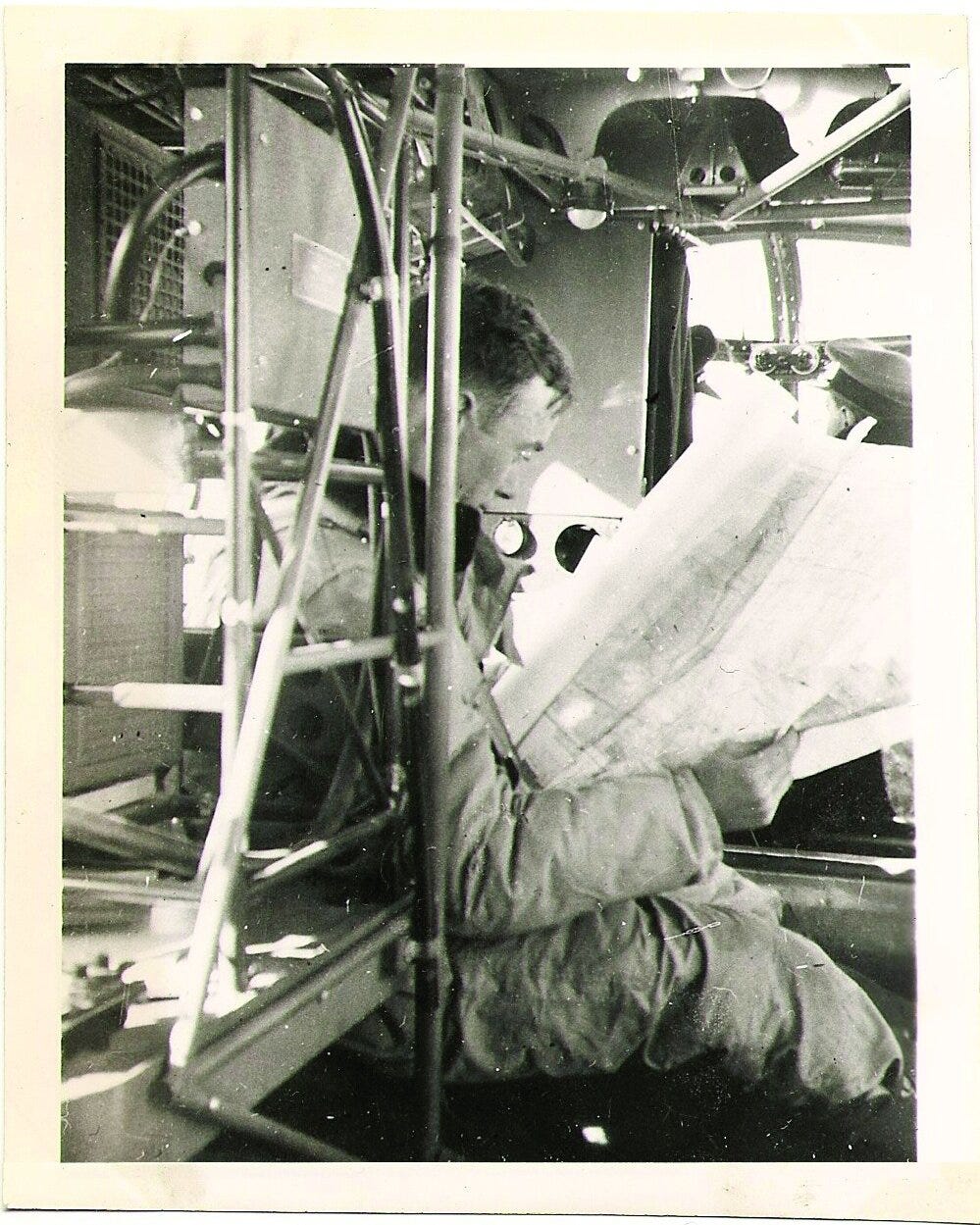
I never knew my great-great-uncle Albert Lloyd Fox (his mother spelled it Loyd). But growing up I always heard of how he died fighting for his country. My grandfather was lucky enough to get hold of his diary that he kept during the war. My uncle’s diary has been transcribed and typed up by my grandfather, who is Fox’s nephew. Fox was a pilot officer for the Royal Canadian Air Force. He served in 1942 during the Second World War in the year of 1942. Fox fought with and for his country alongside the allies and helped them become victorious.
In his first entry on January 1, 1942 he wrote, “This day finds me at Rivers (Manitoba) having been presented with Air Navigators wing and sergeant stripes on December 20 and now studying Astral Navigation.” Albert wrote in his diary every day, usually just one or two lines. The temperatures started to drop and a lot of his practice flights were cancelled due to bad weather. On January 22 he headed home for the last time.
Before setting off by boat to Liverpool he wrote, “Realized that although it’s hard to leave, it’s harder for those we love to wait.” He spent eight days on the boat before catching sight of Ireland. Fox continued taking classes while in Europe and wrote to his family back home faithfully. On April 16 he wrote, “Nearly ‘had it’ tonight when another aircraft came down on top of us while waiting at the end of the runway – had no ‘after effect’ though.” Fox spent his down time attending shows and going to dances where he met Ida Sharmen, “a very nice girl and good company.”
In May he got out flying more, “saw more country in three hours than most people see in three years.” He wrote about his cross country flight. On May 27 he wrote, “tension very high in camp, nothing doing for us but all others preparing for something big. My guess is invasion preparations.”
“Went on ‘Ops’ (operational flight) tonight – dropped over a ton incendiaries on Dusseldorf. Attacked by fighter coming back punctured one gas tank. Caught by search lights and flak over Dutch coast – and another tank punctured,” wrote Fox on July 30.
The last letter Fox sent was to his family at home on December 19. The letter started, “well here I sit with a box of chocolates beside me – munching. I fully realize that I am going to have a terrible stomach ache, but it will be a glorious one.” Fox said he had received all of his family’s Christmas gifts that day. On their last “Ops” tour he was commended by his squadron for his navigation.
Fox died at the age of 22 on December 20, 1942. His family was notified of his death in a letter to Fox’s mother from crewman Ralph Bailie. The crew was on their way back from an operational flight and something went wrong. Their pilot decided to ditch and due to the bad weather their plane crashed into the sea. Bailie thinks Albert drowned almost immediately and only saw Fox come to the surface once. A gunboat picked up Bailie after picking up Fox and another crewman. The men on the gunboat tried to save Fox but there was nothing they could do. Fox was buried at Great Yarmouth (Caister) Cemetery in the United Kingdom.
This Remembrance Day I thought a lot about my great-great-uncle Albert Lloyd Fox. Remembrance Day is a time for Fox’s family to reflect on who they have lost in war and to always remember them.


