

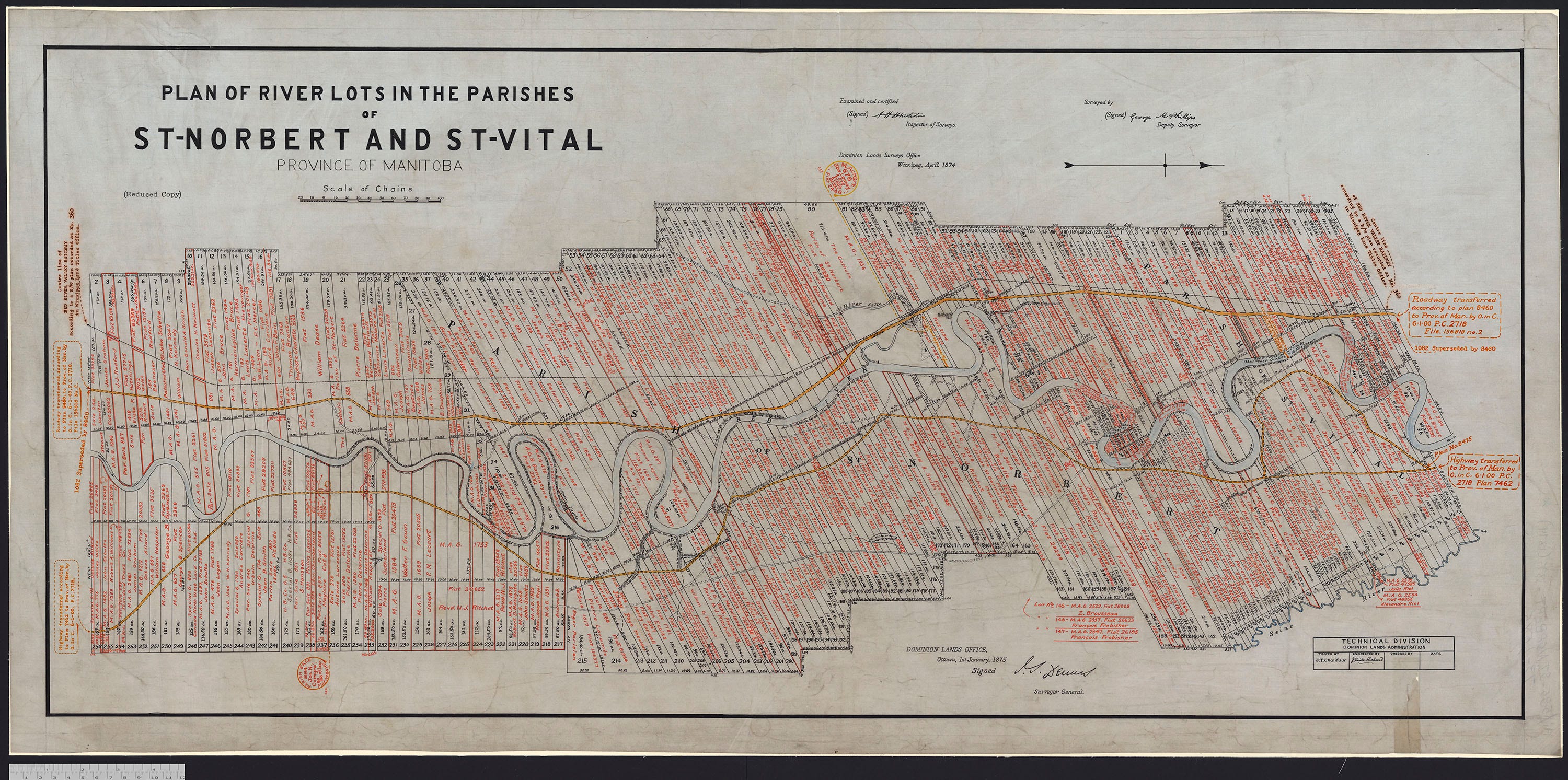
I’m Métis on my mother’s side, and as I’ve grown up, I’ve become very driven to understand what that means for me and how I fit into the beautiful Indigenous tapestry of this land. I’m so incredibly grateful for my uncle and all the research he’s done on our family tree over the years. Along the way, he’s shared many Indigenous books, family documents, photographs, and pieces of history that continue calling to me.
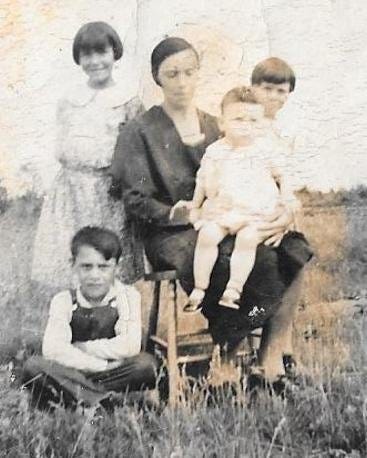
My family history can be traced back to Jean-Baptiste, the youngest child of Pierre Léger dit Parisien, my seventh great-grandfather, and Jeanne Boilard. Jean-Baptiste was born on March 27, 1725 in Oka, Vaudreuil, Quebec.
Jean-Baptiste and his brothers Charles, Paul, and Etienne, were voyageurs also known as coureurs de bois. Their journeys took them west through Green Bay, Wisconsin and the Pays des Illinois. In 1750 Jean-Baptiste married Marie Elizabeth Brébant dit Lamothe, and they went on to have seven children.
Their son Bonaventure (1757-1834), travelled west with his nephew, Jean-Baptiste Léger dit Parisien, and settled in a Red River Settlement, in what is now known as Ruperts Land. Bonaventure married Isabelle “Lisette” Saulteaux, a woman from the Chippewa Indian Nation. His nephew Jean-Baptiste married Louise Forcier, a Métis woman.
In the next generation, “Léger dit” was removed, creating the simpler surname “Parisien”. From this point on, the Parisiens were Métis. My Parisien ancestors played significant roles in the Battle of Seven Oaks (1816), the Red River Rebellion (1869-70), the North West Rebellion (1885). They also served as councillors to Chief Little Shell I and II. Most of us Parisiens, or Parisians, west of the Manitoba-Ontario border are related and can trace our roots back to Bonaventure and Jean-Baptiste.
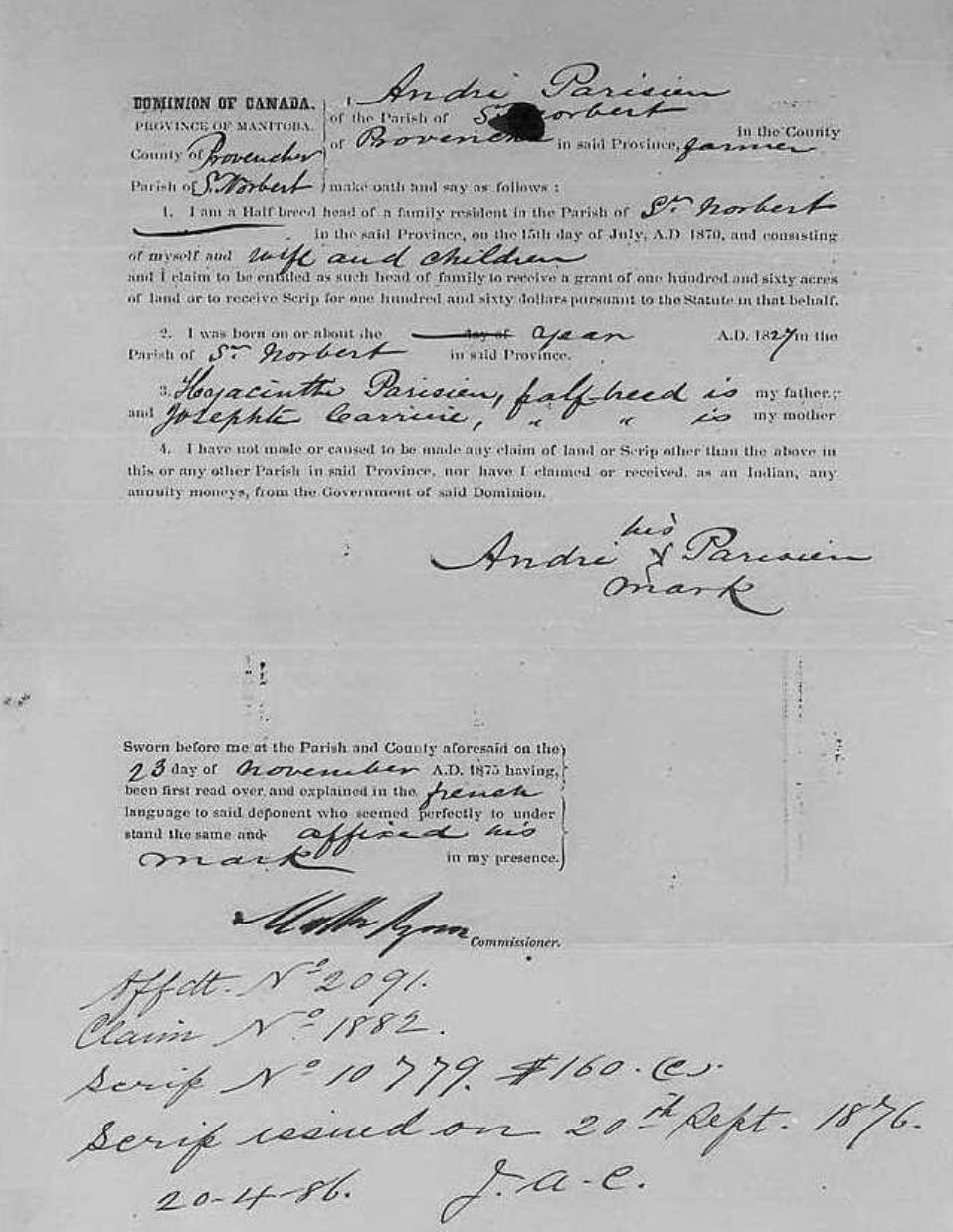
After Manitoba’s confederation on July 15, 1870, my second great-grandfather, Andre Parisien, signed a Métis scrip, often referred to as a “half-breed” scrip. These scrips were issued by the Dominion of Canada and were sometimes fraudulently signed or turned for profit. This was one of the major steps towards the attempted erasure of the Métis land rights, culture, and people.
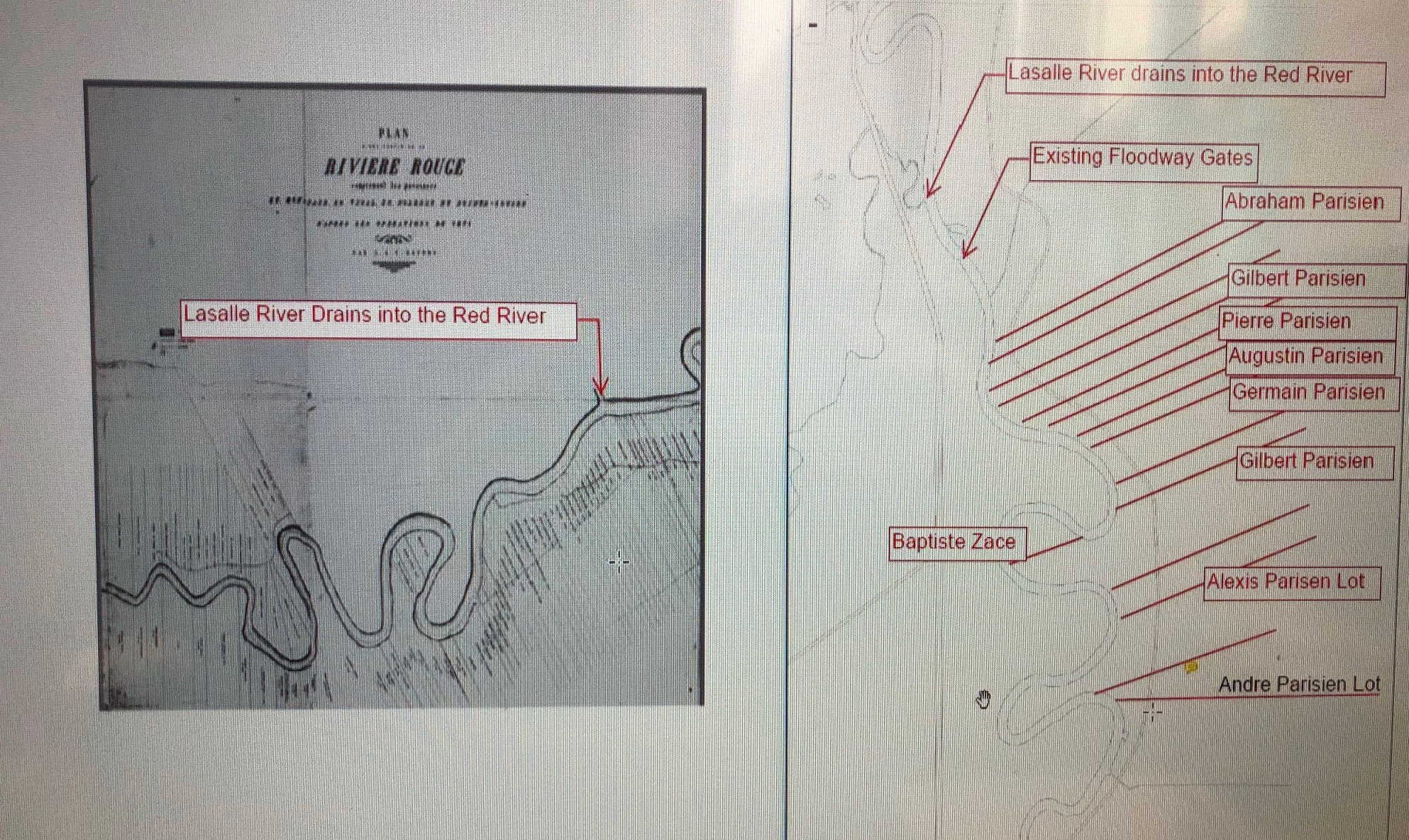
Below, you can see six of the eight Parisien lots on the east side of the Red River, along with one Zace lot, also my relations. Today, this area sits just above what is now A Maze In Corn. My grandfather Armand Parisien, shown in the gallery below, grew up and lived just north of our ancestral homelands, now known as St. Germain, until he married my grandmother and moved into the city.
My Métis ancestry is rooted in the land and the places my family was pushed and moved through. Though my history is unsettled, learning all of this has made me feel more grounded. I don’t take this reconnection to my roots lightly. It’s fraught with racism, genocide, and violence. I take this on as a responsibility. By reconnecting, I honour my ancestors’ resilience and remind those who tried to silence us that we are still here.


