
Red River Parisien
I submitted my application for Métis Citizenship this week and part of the process is being able to trace your ancestry back to a historic Métis community. My grandfather (5 generations before me) André Parisien belonged to a Métis community just sout

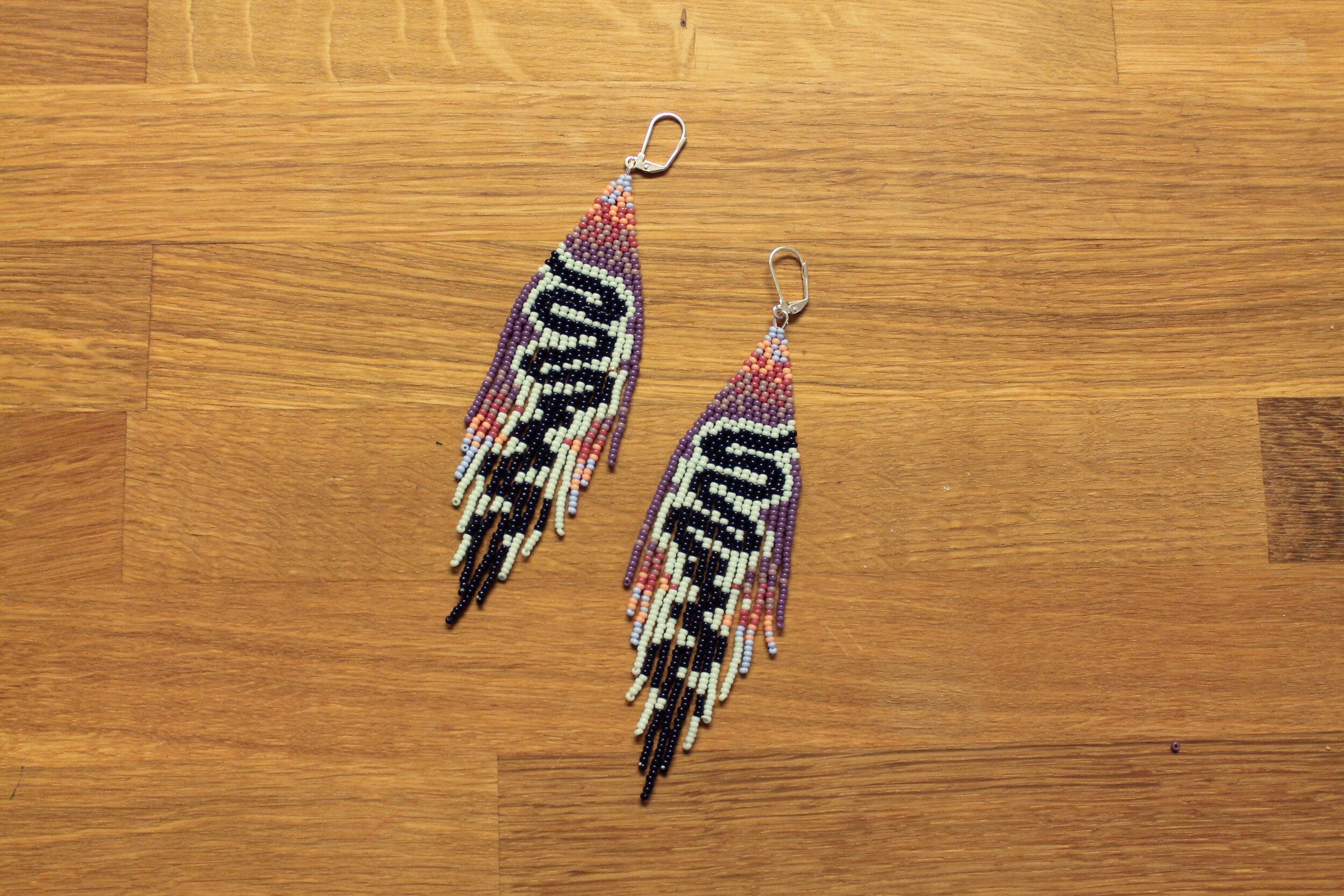
The winding Red River beaded here is south of St. Germain where my Papas grew up.
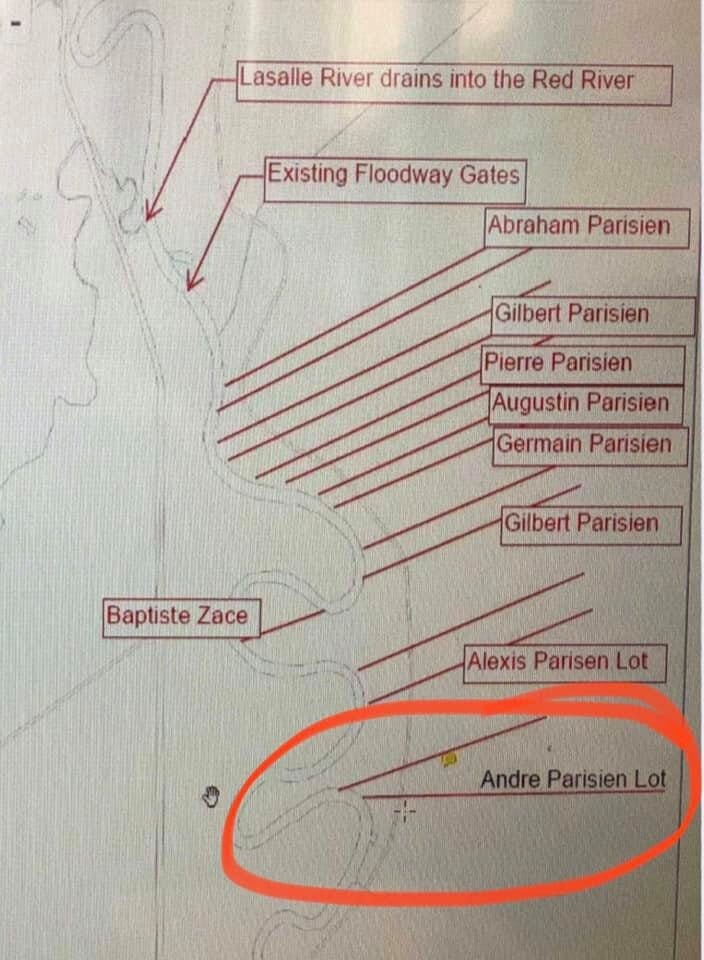
The area where my relatives settled per their “half-breed” scrip.
I submitted my application for Métis Citizenship this week and part of the process is being able to trace your ancestry back to a historic Métis community. My grandfather (5 generations before me) André Parisien belonged to a Métis community just south of where the La Salle River meets the Red River.
After Manitoba's confederation on July 15, 1870, my grandfather signed a Métis scrip (or "half-breed" scrip) issued by the Dominion of Canada which was redeemable for $160 or 160 acres of land in exchange for their Métis land rights.
It was difficult for Métis people to acquire land through this process because it was legally complex, disorganized and left much room for fraud. Many agents would forge signatures of Métis people while others were pressured into selling their scrip for less than face value to land speculators who would later sell the scrip to settlers at a profit. This process provided a simple and inexpensive way for the federal government to steal rights to land in the West and then clear it for commercial development and white settlement.
Even after signing these scrips the Dominion Lands Act allowed land to be granted to individuals, colonization companies, and the Hudson’s Bay Company and did not include the Métis people until amendments were put in place NINE YEARS LATER. Even after 1879 Métis people had limited access to lands compared to white settlers and many Métis were left homeless as a result of this system.
In 2013, the Supreme Court of Canada ruled that the federal government failed to provide Métis people with the land grant they were promised in the Manitoba Act of 1870. Land negotiations between the government and the Métis Nation on reclaiming of land rights continue today.
In the 3rd picture you can see 6 of 8 Parisien lots on the east side of the Red River and one Zace (also my relations) the area just above what is now A Maze In Corn. My Papas Armand Parisien grew up and lived just north of our ancestors homelands (now known as St. Germain) until he married my grandmother and moved into the city.
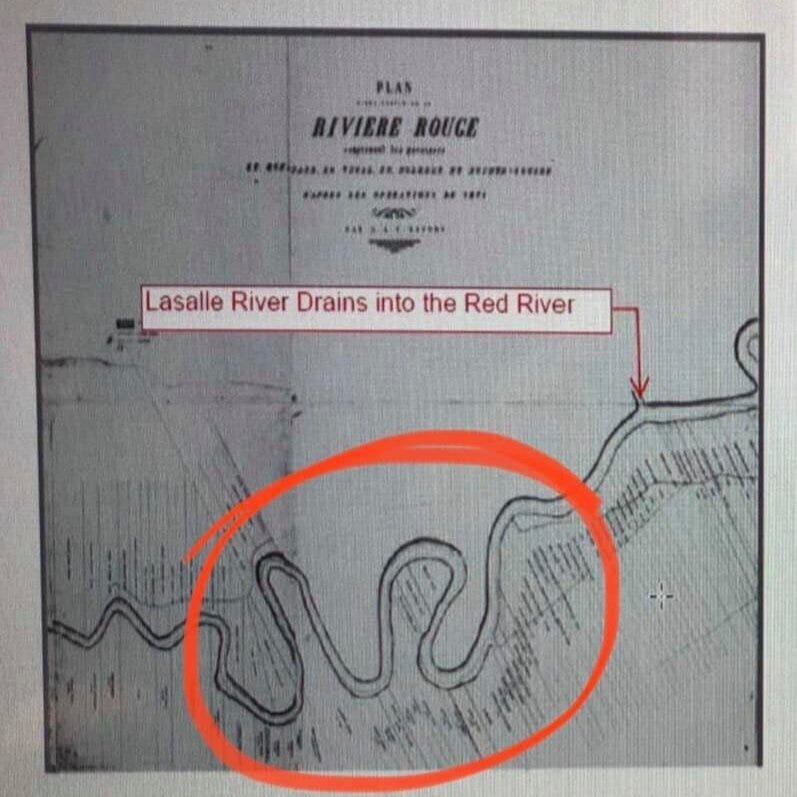
Farther back view of the area my ancestors settled in.
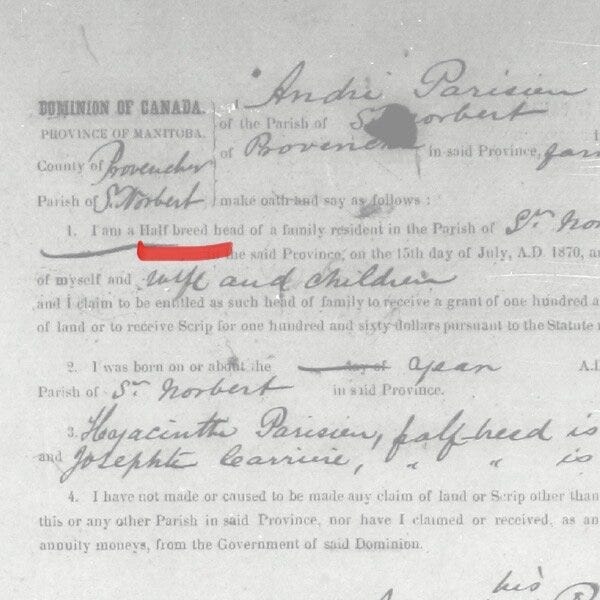
My great grandfather’s Métis scrip.
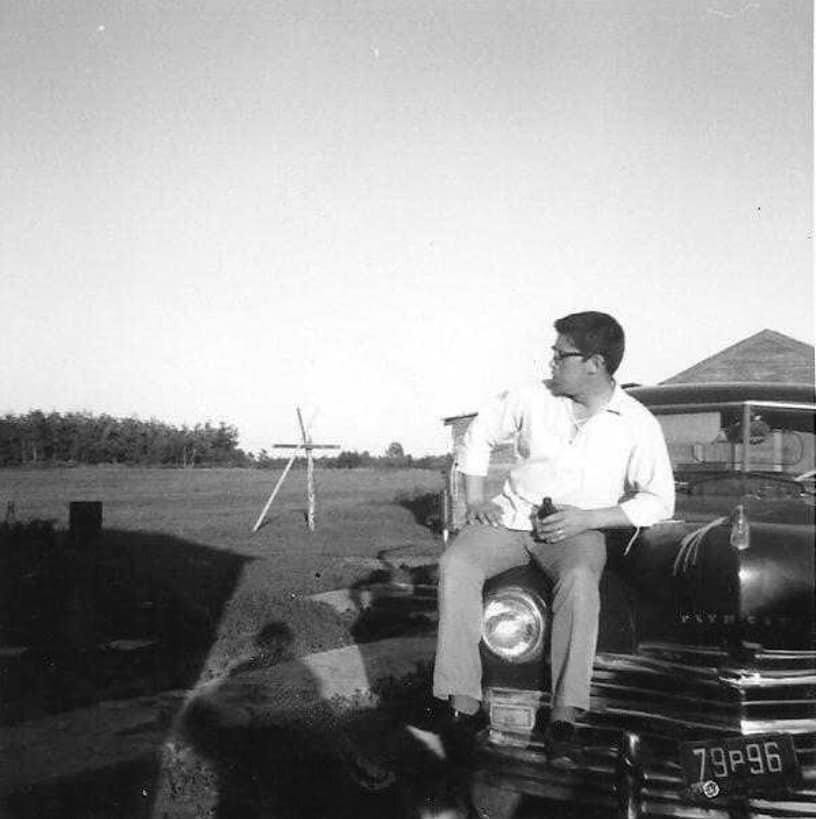
My Papas, Armand Joseph Edward Parisien.
Source information and further reading on thecanadianencyclopedia.ca.