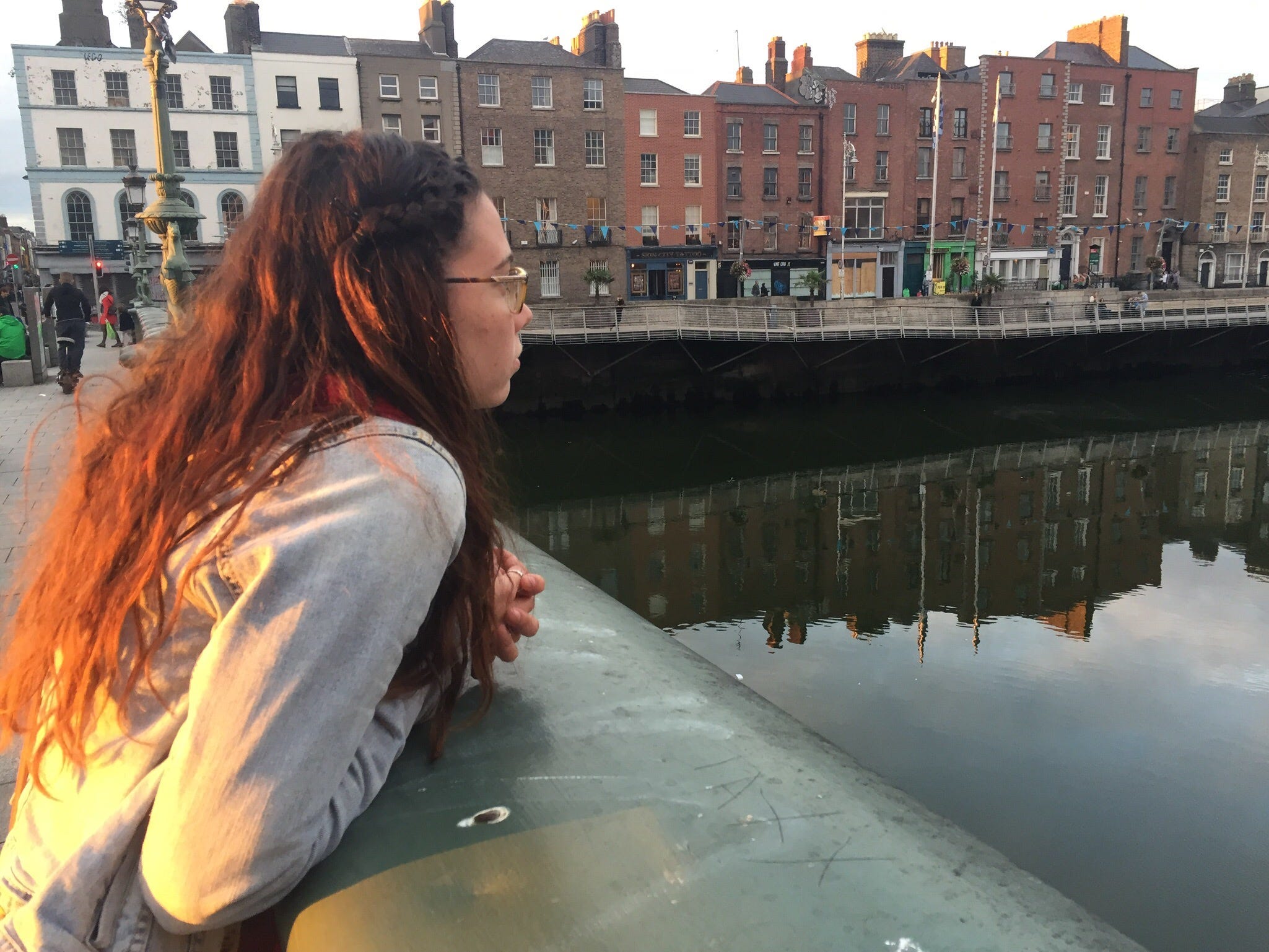
The Emerald Isle
Travelling solo was something I never really thought about. School, relationships, and work held me back. Then I got laid off, took a year-long term position at a dream organization, but that ended too. I felt a little lost, and solo travelling felt like a fresh start.
The day I left, I woke up with nothing but knots in my stomach. I texted a friend who has solo travelled lots before, and he told me that the nerves are normal. I hugged my sister goodbye (my parents were in New York City at the time) and got in the car with my grandma to head to the airport. There was a union strike going on at the time, and I totally support their fight for fair wages, but it only made my anxiety spike even more.
We made it to the drop-off, I hugged my nanny, and set off to the country where her mother was born. Nervous as I was, I was hungrier for change.


Galway
It was literally a planes, trains, and automobiles situation to get me, at last, to Galway.
I was a bit early to check into my hostel, but I was able to drop my bags. I took some time to wander cobblestone streets and look for some lunch that my anxious stomach might let me eat. I stumbled across a band busking in the street, and as I made my way through the crowd, I realized there was a river dancer as well. I don’t think I could have dreamt up a more perfect Irish welcome!
I stumbled upon a pub called The Dáil for dinner and met a couple on their honeymoon. I asked where they were from (I’d heard them mention Canada), and the bride said Saskatchewan. I said, “My condolences.” She then asked where I was from, and when I replied, “Manitoba,” the “my condolences” were reciprocated.
The city itself is incredibly charming—cobblestone streets, historic buildings, and very friendly folks.


Salthill
After a free hostel breakfast and a stop at Coco Café for Irish Breakfast Tea, I went shopping and bought myself a sterling silver shamrock necklace and a braided ring—tiny souvenirs for my big adventure.
The walk along the Atlantic was unplanned and tiring—but beautiful. This was the day I figured out that distances on a map are much smaller than they are in real life! I wanted to get to Salthill Promenade to see the big diving boards into the Atlantic Ocean. It ended up being a 4 km walk—one way—but the sound of waves crashing and the salty wind made it worth every step.
I dipped my toes in and had trouble believing that people swim in there. I saw a couple taking wedding photos, which felt really special.


County Clare
Travelled north up the Wild Atlantic Way today. It was my first bus tour on the world’s narrowest roads—like, one-way roads, stone fences you could touch out the window on one side, and a long drop into the ocean on the other. It truly was wild.
They say you never forget your first… castle. Mine was Dunguaire Castle. Truly incredible to see. Something I didn’t really think about until I saw it was that we truly don’t have anything still standing in Canada that’s as old as that castle. Dunguaire Castle is still used today for banquets from April to October in the tradition of King Guaire—folks can enjoy a four-course dinner on the shores of Galway Bay. We only got to explore the courtyard and exterior, but even that was still very cool.
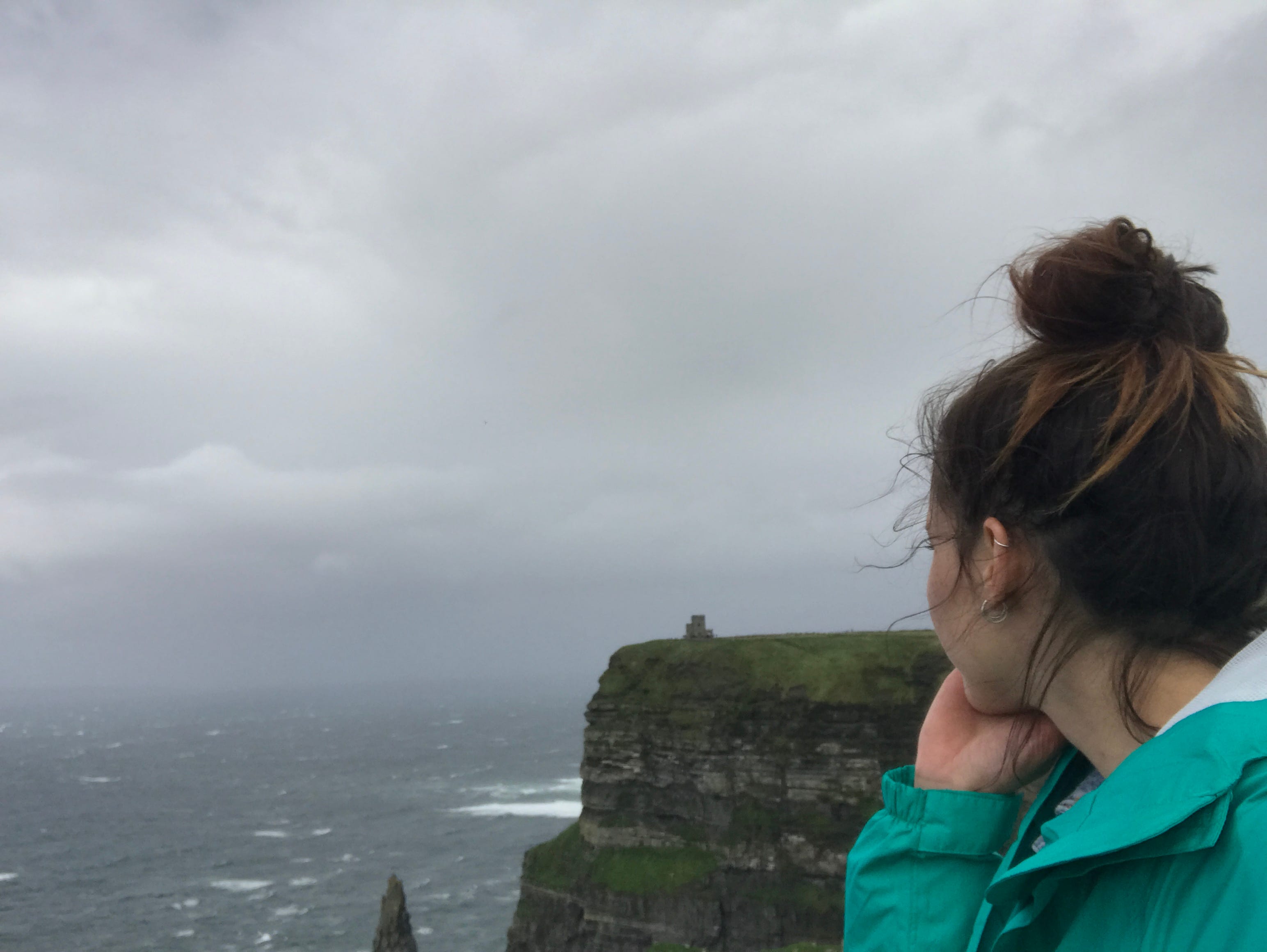
The Cliffs of Moher… OOF! Equally majestic and terrifying. Particularly today, the wind was moving at 47 km/h. I tried my damndest to make it out onto the cliffs, but the wind was so strong that the line out to the cliffs wasn’t moving and people were turning back. As I headed back to the bus, they were even closing access to the cliffs because it was too dangerous.
That stop felt special because they’re situated in County Clare, which is where my great-grandmother grew up—which explains why the dramatics of the landscape felt comforting to me.


Next stop was Aillwee Cave, discovered in 1944 when a farmer named Jack McGann followed his dog, who was chasing a rabbit. The farmer did not explore very far into the caves and didn’t tell anyone about the find for nearly 30 years. We toured through the dark, damp space, learning about stalactites and stalagmites. We got to the deepest part of the cave, where they turned off all the lights, and it was the darkest of dark—you couldn’t even see your hand an inch from your eyes. The tour ended at an underground waterfall, which was never something on my bucket list, but pretty neat.
We had a beautiful bus ride back into town with some roadside stops to see sheep and a rainbow—no pot of gold, though.


Kylemore Abbey & Connemara
Kylemore Abbey (Irish: Mainistir na Coille Móire) was built in 1868 as a private dwelling for the family of Mitchell Henry, a wealthy doctor from London whose family was involved in textile manufacturing in Manchester, England. Also referred to as Kylemore Castle, it was designed by Irish actor, architect, and novelist James Franklin Fuller. Mitchell moved his family there after he and his wife, Margaret, honeymooned there in the mid-1840s.
When Margaret passed in 1874, Henry had a chapel and family mausoleum built on the grounds where he and his wife were laid to rest. A beautiful piece of land with a great love story. I was able to have lunch there after we toured the castle, chapel, and mausoleum grounds.


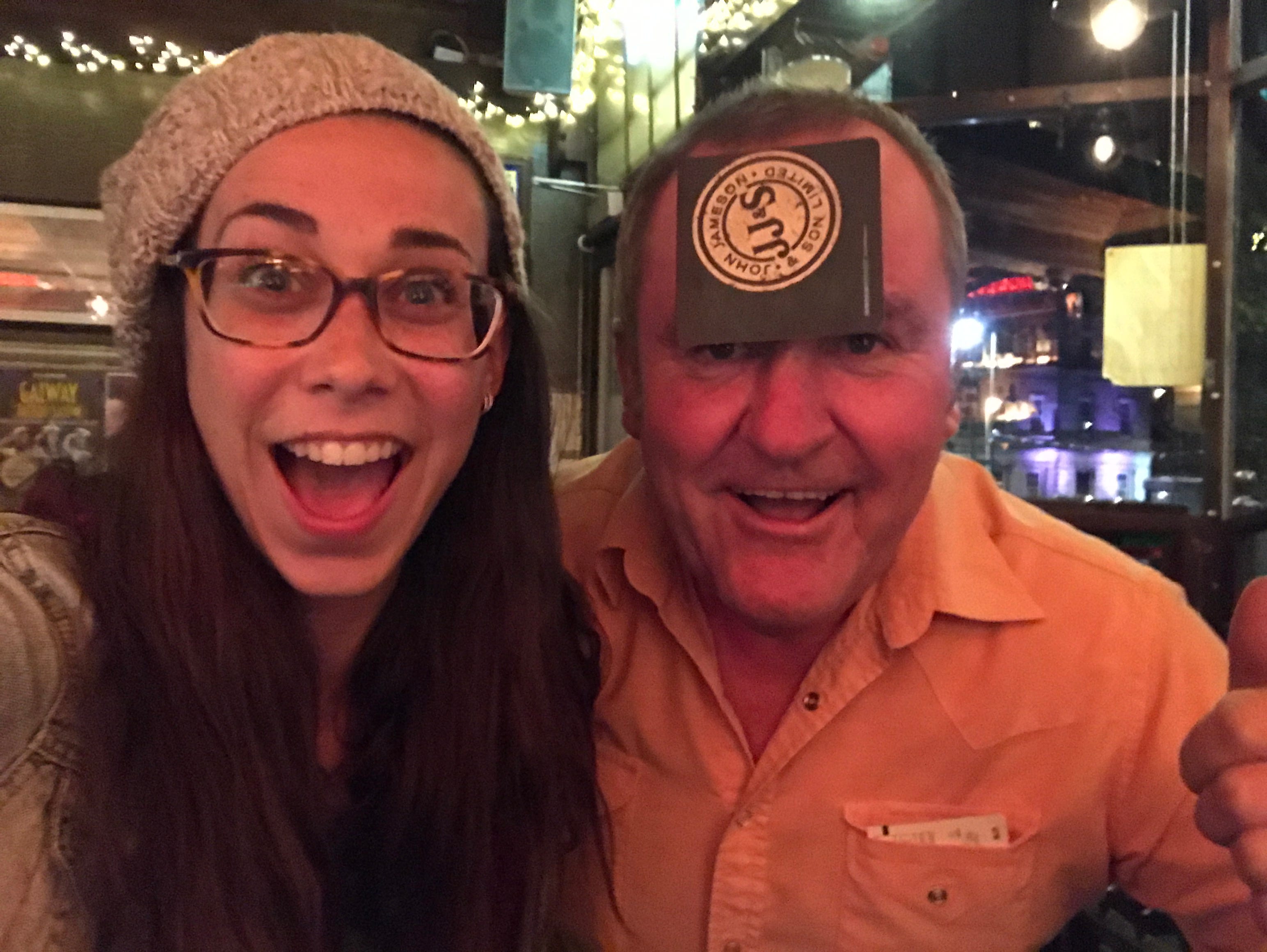
Instead of heading back to the hostel, I went into O’Connell’s to write in my journal. As I was writing and enjoying my second pint of Guinness, a clear regular plopped down at the bar beside me. He introduced himself as Jimmy and asked where I was from. We chatted for a long while—he was kind and very funny. As soon as I told him Canada, he got on the phone to call his boarder, who was also a woman from Canada. I just felt very at ease. Someone opening a conversation with a stranger and helping her make connections was a very kind gesture that I’ll never forget.
“There are no strangers here; only friends you haven’t met yet.”
— William Butler Yeats, Irish Poet
Cork
I spent the first day in Cork wandering and fell in love with it quickly! It feels a lot older than Galway, and it feels bigger… but it’s not. Galway’s population is almost double, but Cork is a college town, so there’s more hustle and bustle versus the laid-back vibes of Galway.


I stayed at Brú Hostel—it had a bar on the main floor. It turned out to be a great way to meet people and just come to chill out after a long tour day.
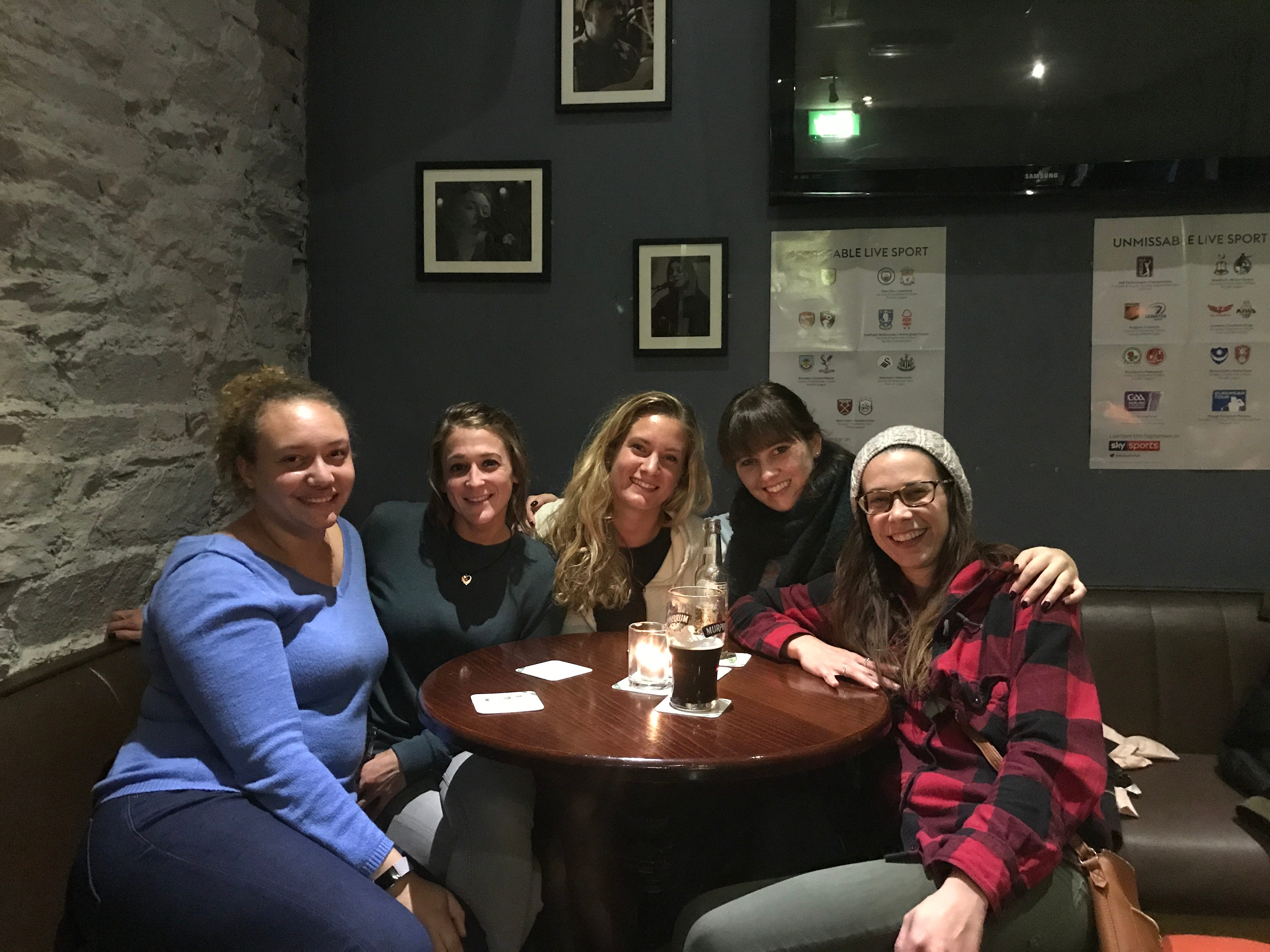
My first night, I was in the bar reading a book. The bartender, who had just suggested and poured me a fresh pint of a local stout called Murphy’s, was singing and dancing behind the bar. I struck up a conversation with a girl standing at the bar waiting for a drink. She told me to join her and some other girls at the table behind me, so I ended up with another pint and met some amazing new friends from Boston, Texas, and France.
We eventually went our separate ways, and I went to get ready for bed. After coming back from the washroom, I walked into my room to see all the girls I’d just met in the bar—turns out I’d met my bunkmates, which was quite funny.
Blarney Castle
Blarney Castle was extremely cool. Not all of it is intact, but it had plaques describing what belonged where and what the empty, sometimes crumbling rooms once were. I loved the spiral staircases and was in awe of how the windows were just long, skinny slits—no glass, just open.
I made it to the top of Blarney Castle and kissed the Blarney Stone, so now I have the gift of the gab—or more of the gift of the gab than I already had, I suppose.
After making a new friend on the bus, we toured the grounds together. We visited the Poison Garden, the fern garden with a waterfall, and the Wishing Steps—where, if you can go down and up with your eyes closed while thinking of your wish, it will come true.


Cobh
Cobh (pronounced “cove”) is a beautiful port city on the south coast of Ireland. This is the last town where the Titanic docked. There were 123 passengers who boarded the Titanic at the Cobh harbour on April 11, 1912, and only 43 of them survived and completed their journey to New York City. I would have loved to have spent more time there and toured the heritage museum and Titanic memorial, but the town was too cute and colourful not to explore.
After missing one of my tours, I made my way west of the city for the Cork City Gaol (pronounced “jail,” not “gay-ol”). I paid €2.00 for the audio tour, and there were different jail cells where they told the stories of real-life prisoners who were imprisoned there.


County Kerry
I’m SO glad I rebooked the tour I missed because I had the best tour guide. His name was Rory, and he was from County Kerry, which is the area we were visiting. He looked 18, but I think he was in his early 20s, and he was very funny.
Our first stop was Killarney, and it was a beautiful town. I almost wish I’d stayed there instead. Everything was close by, and there’s a huge national park not far away—just beautiful.
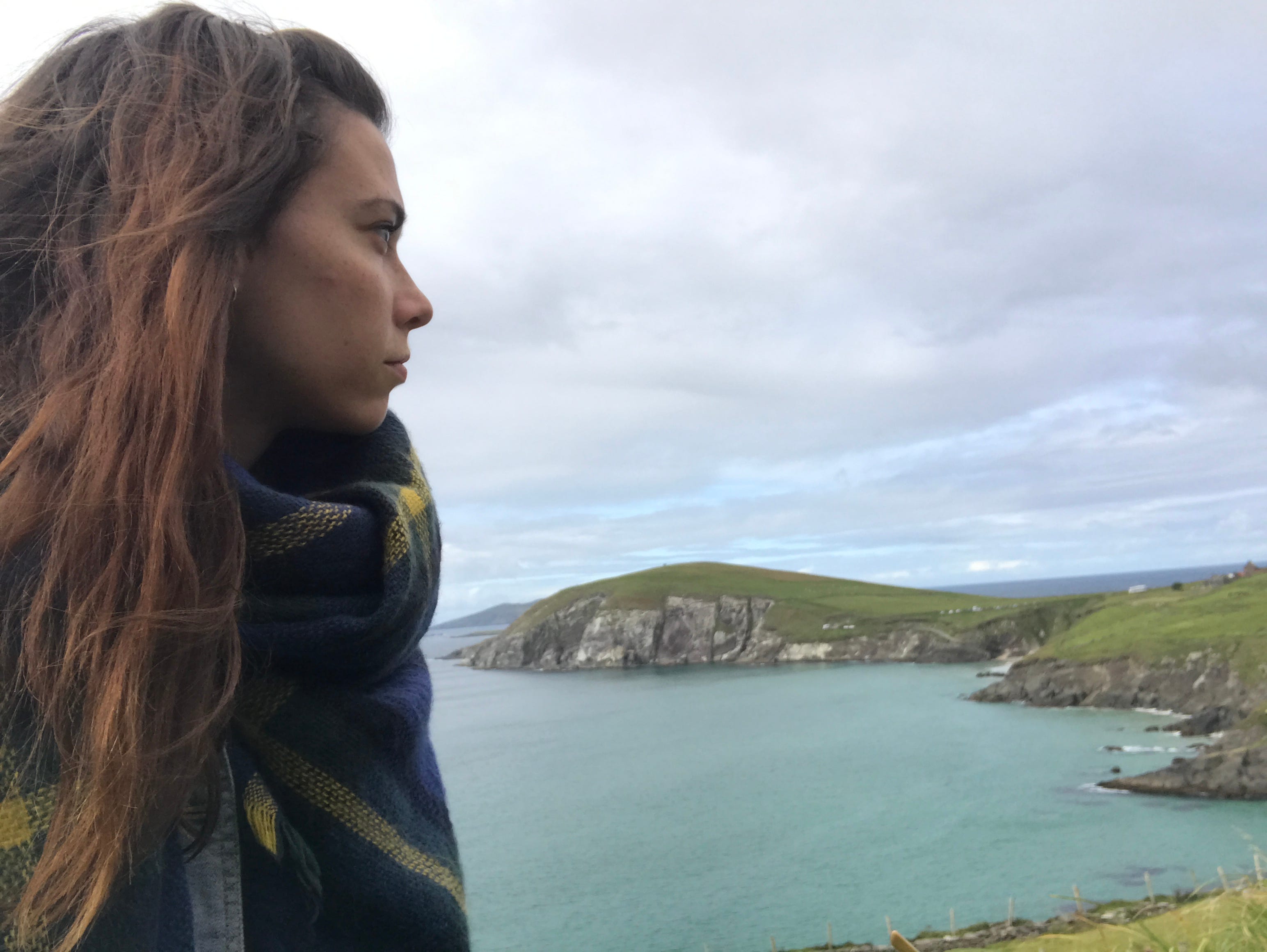
The Dingle Peninsula was incredible. There’s a reason Star Wars chose it as a filming location for the eighth movie—it looks otherworldly! Ballyferriter and Slea Head were where they filmed. I could’ve spent all day there. Dingle Town was very charming and right on the water, with some beautiful views.
Dublin
I found my first slice of home in weeks when I met up with my friend Hayley at the hostel. I walked 30 minutes from the train station to the hostel—Dublin is bigger than I thought.
We wandered around and ran into a horse-drawn carriage filled with Dubs fans yelling and screaming. The Dubs are Dublin’s Gaelic football team. I figured out pretty quickly that it was the end of the season and Dublin had made the final.
The 2017 Gaelic Football Final ended up being between Dublin and Mayo, and there was a lot of talk about the “Mayo Curse,” which I had learned about before landing in Dublin. Legend goes that the victorious Mayo team of 1951 failed to stop and pay respects to a funeral procession as they were passing through Foxford after winning the final.
The presiding priest cursed the team so they cannot win an All-Ireland Senior Football Championship Final until every member of the 1951 team has died. Since there is still one remaining member of that team, the curse has held true, and Mayo lost by a single point in the 2017 final.


Guinness Storehouse
We toured the Guinness Storehouse, and like a couple of marketing communications nerds, we spent the most time on the marketing floor of the museum. You do a self-guided tour through seven floors, all the way up to the Gravity Bar, where you get a view of the whole city.
We also stopped at the Guinness Academy, where we learned how to properly pour a Guinness—now Hayley and I are certified. It was the freshest Guinness I’ll ever drink, at only a week old!


Gardens at the Royal Hospital Kilmainham
We wandered over to the Gardens at the Royal Hospital Kilmainham, and they were beautiful. I felt like I was in the Triwizard Tournament navigating all the hedges. It’s a 17th-century, French-influenced formal landscape.


Kilmainham Gaol
We toured another jail, this time Kilmainham Gaol (Irish: Príosún Chill Mhaighneann). We had a really great tour guide who was passionate about Irish history. It was a wild experience to stand in the spot where Republican prisoners from the anti-Treaty IRA Dublin Brigade were executed by firing squad.


Trinity College
We fell in love with the Trinity College Library—the smell of old books was BEAUTIFUL! I could have stayed there all day. The Trinity College campus was alive as students were back for their first month of school. Incredible grounds with stunning architecture.


Dublin Castle
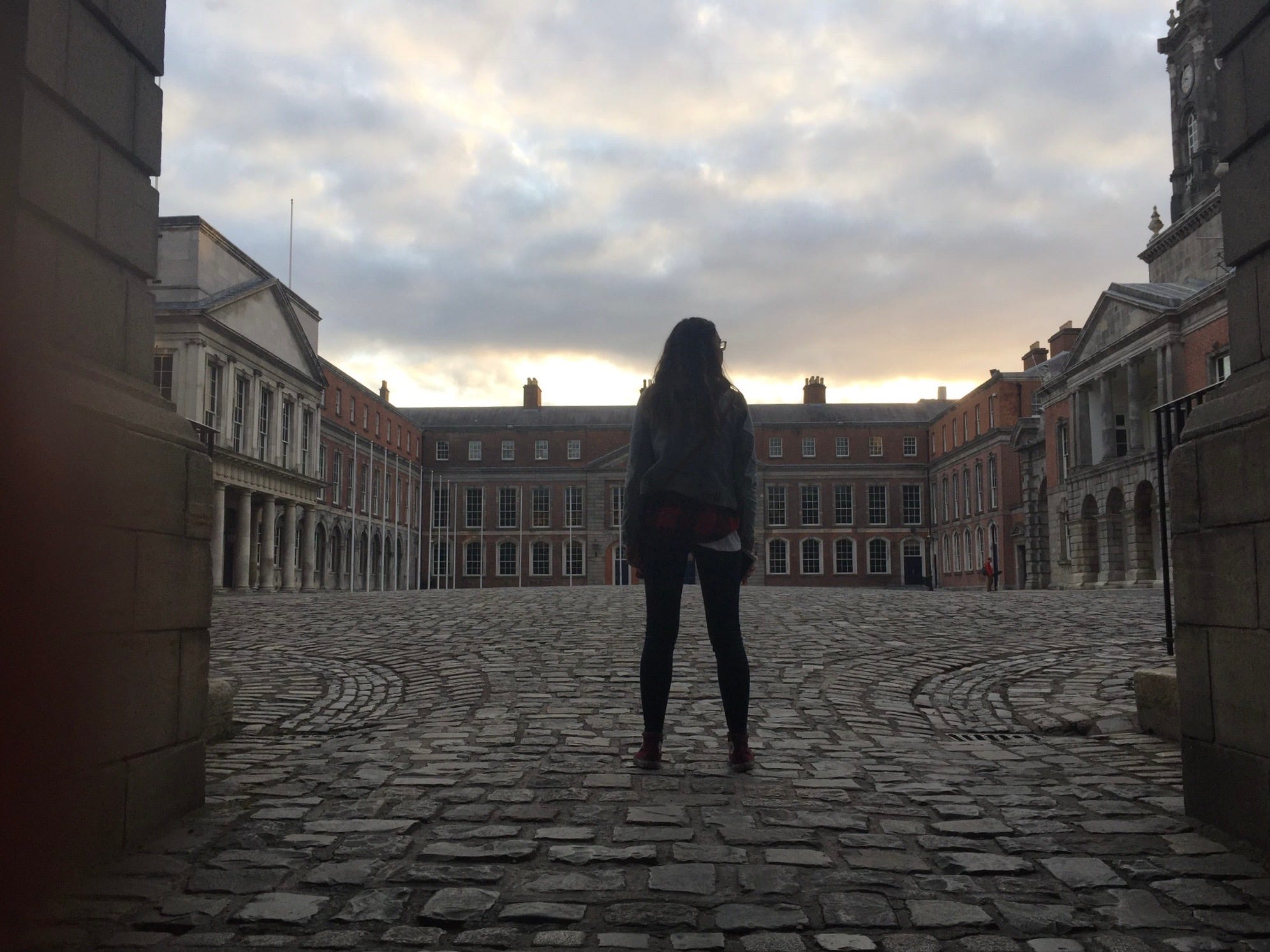
We had a really great tour of Dublin Castle. The castle was originally developed as a medieval fortress, with four corner towers linked by high curtain walls and built around a large central enclosure. The site was once occupied by an earlier Viking settlement. In April 1684, a major fire caused severe damage to much of the building. Despite this, parts of the medieval and Viking structures survived. In the late 17th and 18th centuries, the castle was transformed into a Georgian palace. The end of British rule came in the wake of the Easter Rising of 1916, and in 1922 Dublin Castle was handed back to the government of the newly independent Irish state. It was really neat to connect the history of the castle with what we’d learned at Kilmainham Gaol.
Jameson Distillery
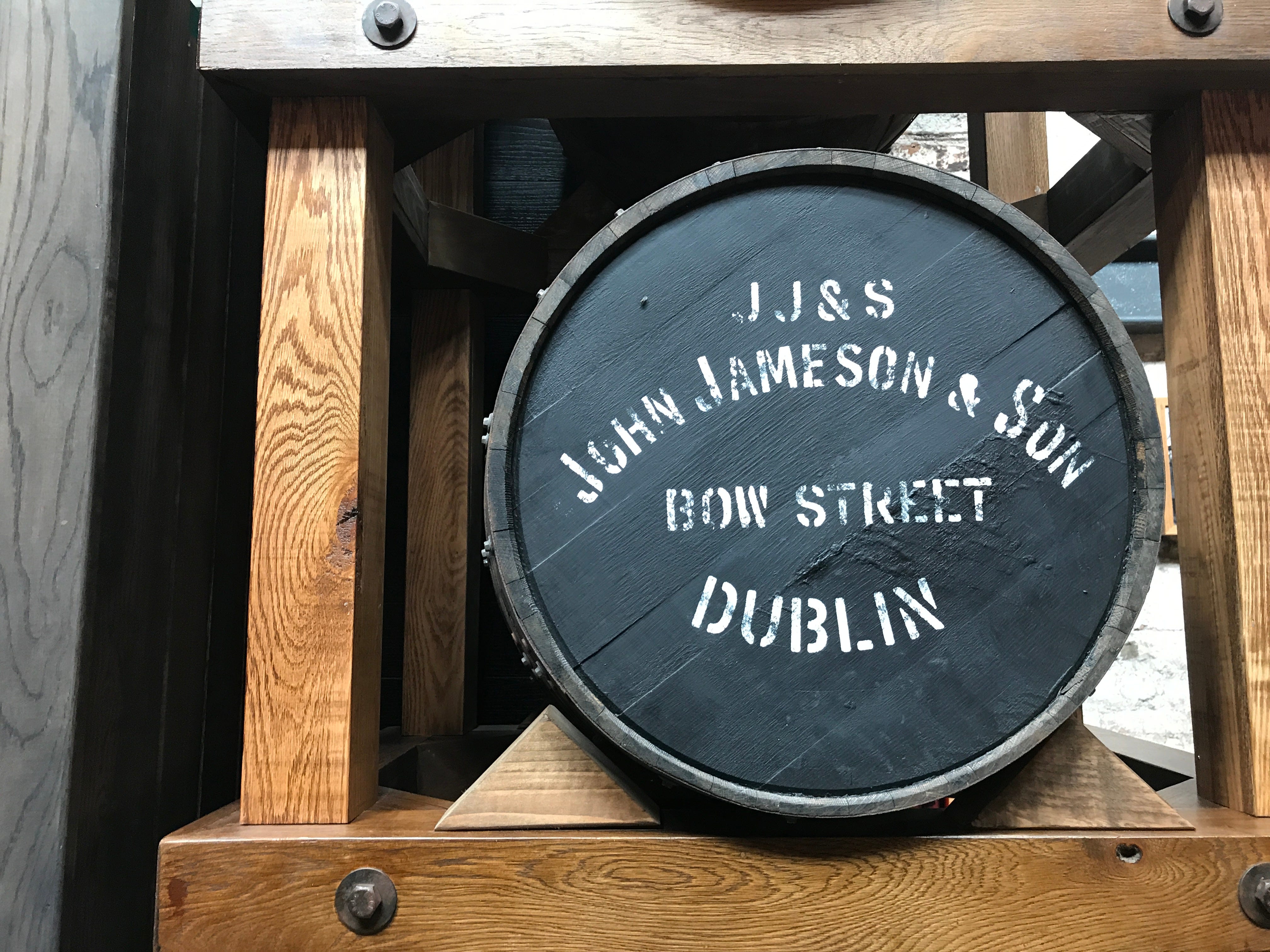
We toured the Dublin Jameson Distillery, the original site founded in 1780 where Jameson Irish Whiskey was distilled until 1971. Now it serves as a visitors’ centre. We did a tasting alongside Scotch and American whiskey, and the Jameson was noticeably better. I’m not a whiskey girl at all, but it was something I wanted to try.
The Brazen Head
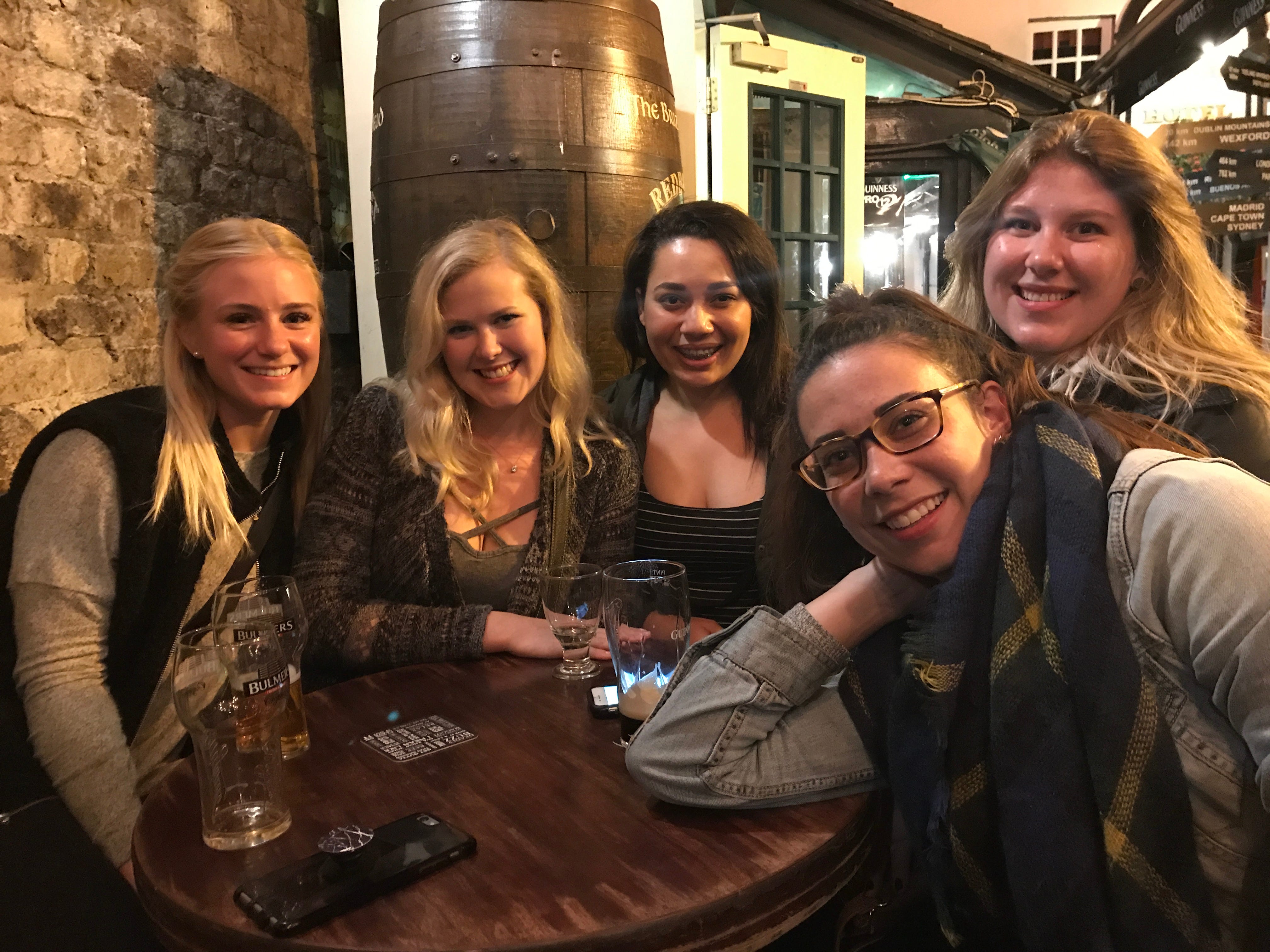
How many people can say they’ve had a pint in the oldest pub in Ireland? The Brazen Head, which opened in 1198, was packed. We lucked out and found a corner spot to sneak into. A few women joined us from Arizona, Washington, West Virginia, and California. We ended up on a bit of a bar crawl, ending the night with a coupon for a Canadian special—a Molson Canadian and some sort of green shot.


Northern Ireland
On our last day, Hayley rented a car and drove us up to Northern Ireland. Our first stop was the Dark Hedges, which most people recognize from Game of Thrones. In about 1775, James Stuart built a new house named Gracehill House after his wife, Grace Lynd. Over 150 beech trees were planted along the entrance road to the estate. According to legend, the hedges are visited by a ghost called the Grey Lady, who flits across the road from tree to tree. She is believed to be either the spirit of James Stuart’s daughter, known as “Cross Peggy,” or one of the house’s maids who died mysteriously.


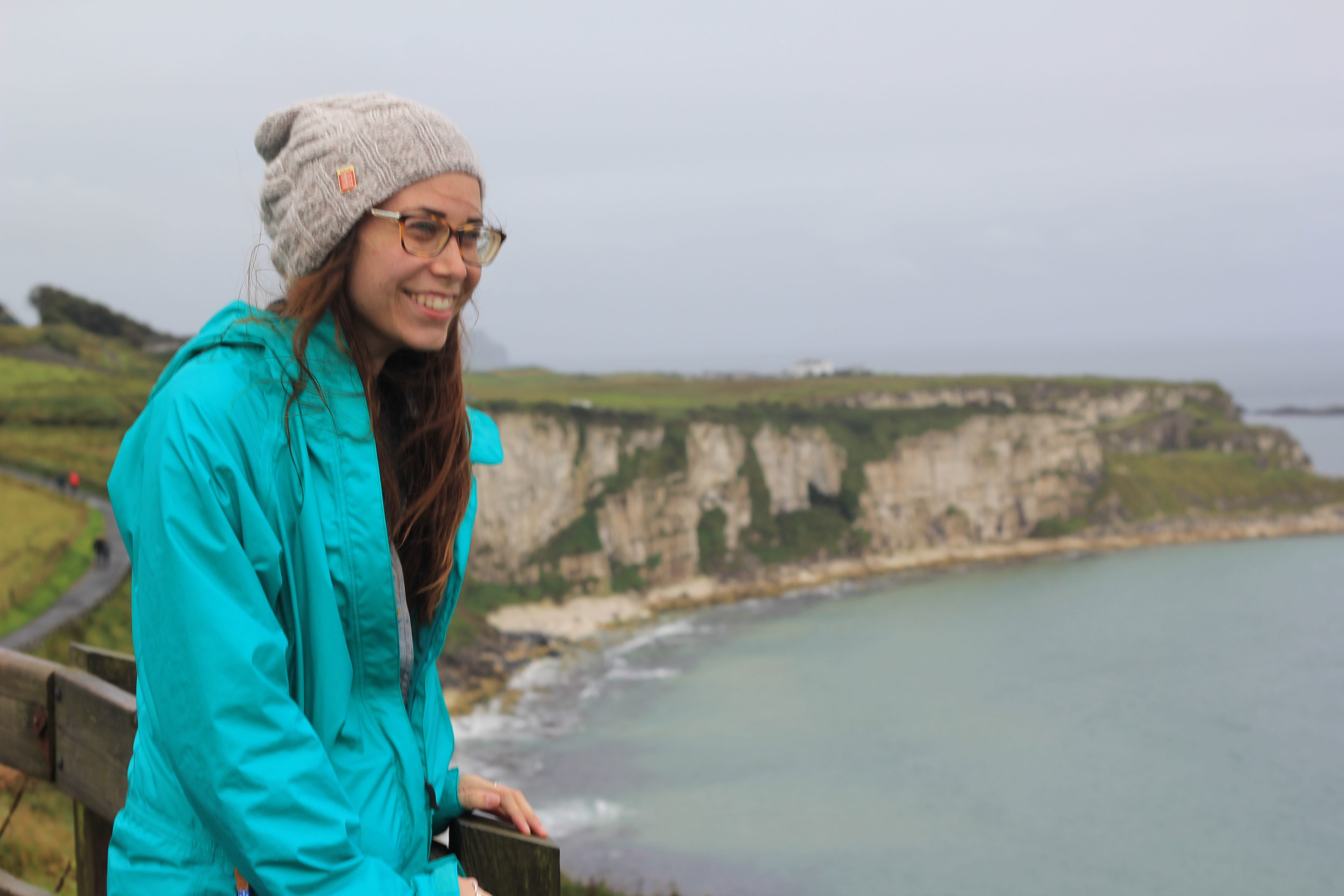
Next stop was the Carrick-a-Rede Rope Bridge. The views were stunning. I’m not scared of heights, but I can’t say I was a fan of the 66-foot-long bridge suspended 98 feet above the rocks and ocean below. It’s said that salmon fishermen have been building bridges to Carrick-a-Rede Island for over 350 years. The bridges took many forms before this permanent bridge was built in 2008.
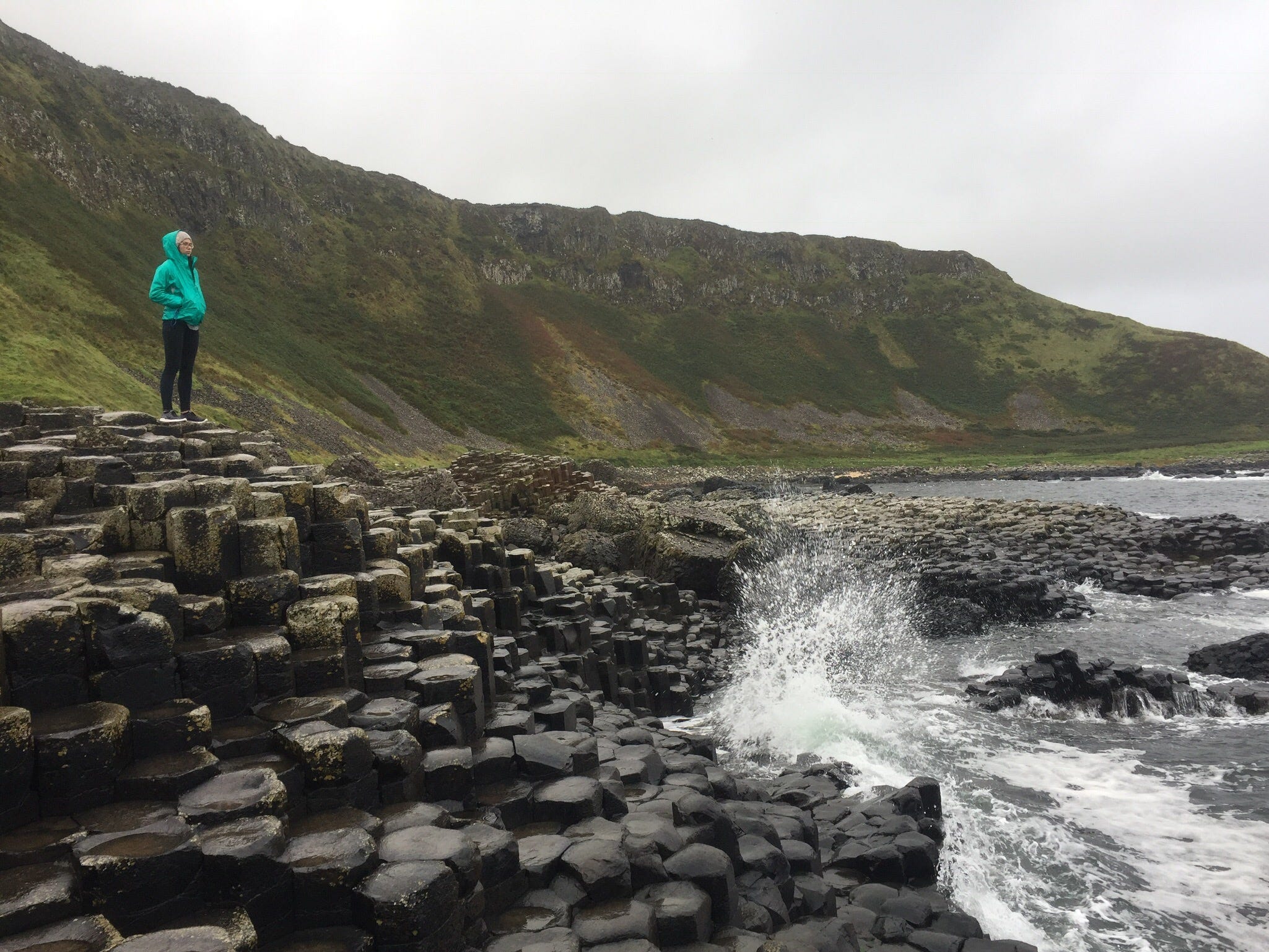
We couldn’t go to Northern Ireland without visiting the Giant’s Causeway. It’s an area of approximately 40,000 interlocking basalt columns formed by an ancient volcanic fissure eruption. But if you ask the Irish, there’s always a legend. The story goes that the Irish giant Fionn mac Cumhaill was challenged to a fight by the Scottish giant Benandonner. Fionn built the causeway across the North Channel so they could meet. When Fionn realized Benandonner was much bigger, his wife Sadhbh disguised him as a baby. When Benandonner saw the size of the “baby,” he imagined Fionn must be a giant among giants and fled back to Scotland, destroying the causeway behind him. Across the sea in Scotland, identical basalt columns can be found at Fingal’s Cave on the Isle of Staffa.
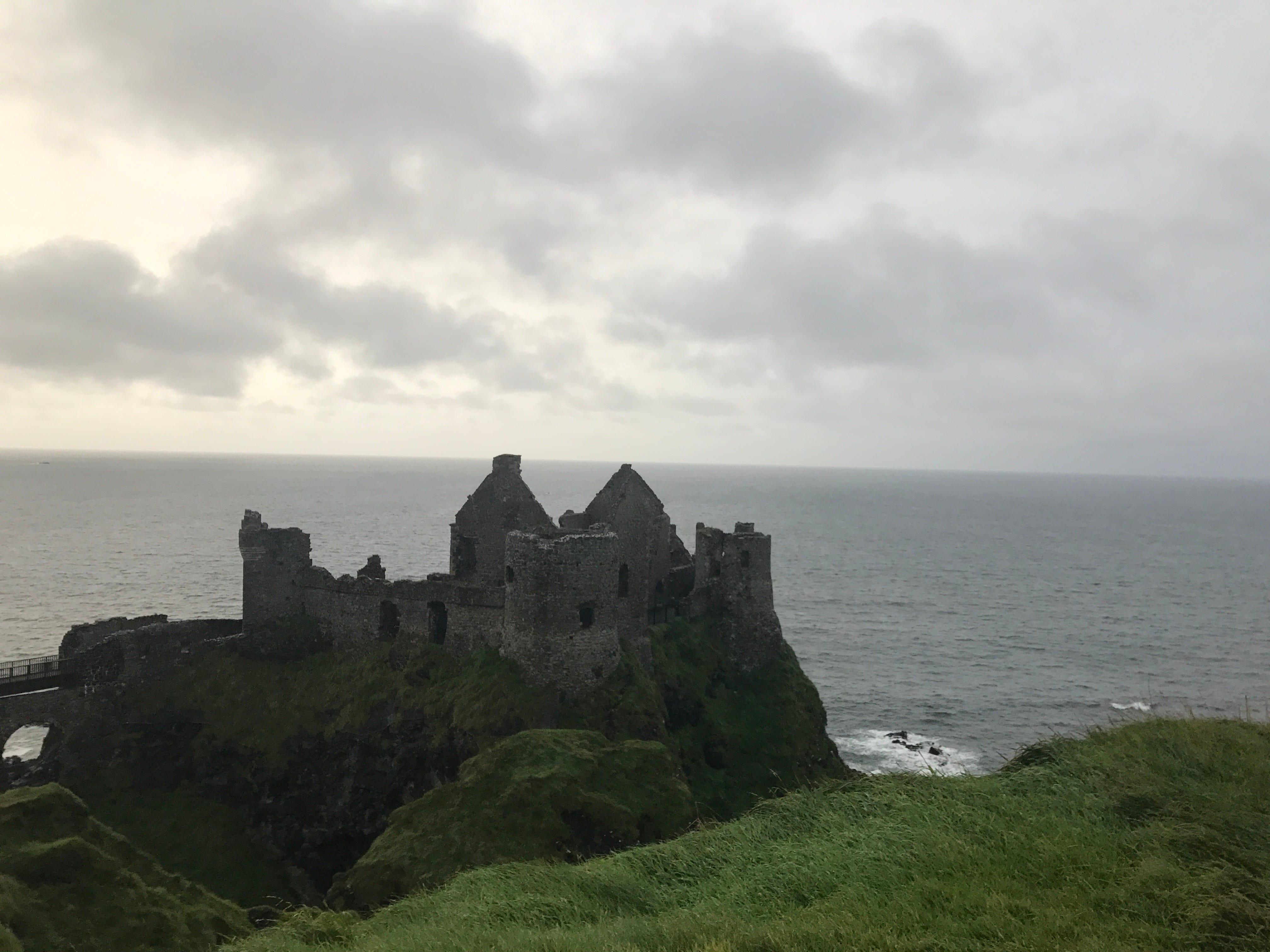
Our last stop was the gorgeous Dunluce Castle. It’s all in ruins now, but that only adds to its beauty. It was closed, so we couldn’t take a tour, but we were able to walk the grounds. After raining all day, the weather finally let up, and it was so worth it.
We got back to the hostel very late and had to repack in the hall. Off to Spain next!