

Content Warning:
This essay contains discussions of severe anxiety, panic, health anxiety, emotional distress, and mental health challenges. Reader discretion is advised.
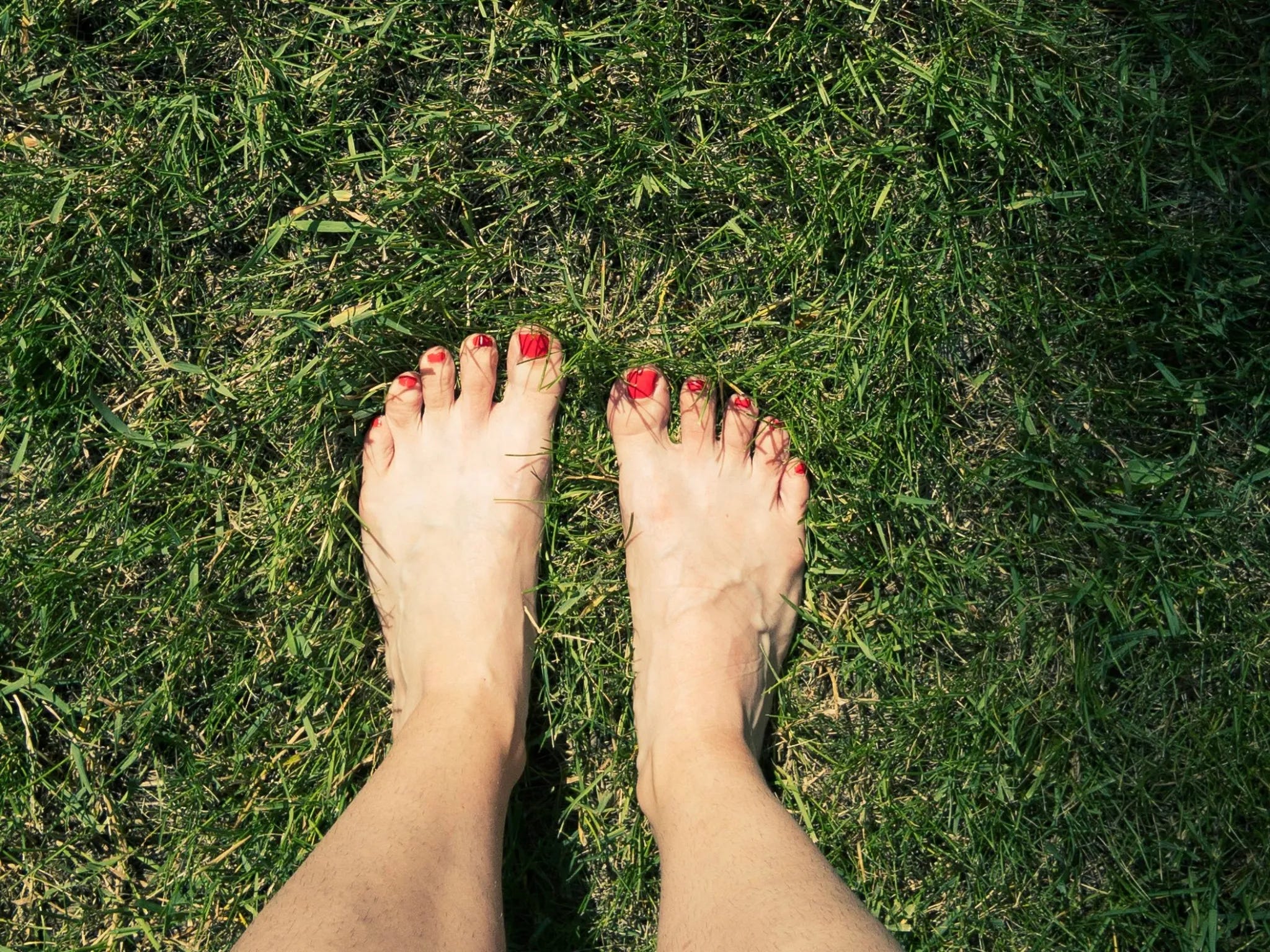
How do you live when you think you’re dying? A question I had to face for months during a dark time earlier this year.
I’ve dealt with health anxiety on and off before, but it usually passed quickly. That changed after my parents and I got COVID in early March, and my mind spiraled.
For most of that month, I cried almost every day. I cried in the bathroom at work, when my mom picked me up, and whenever I was alone. Every little sensation in my body felt like a sign of something catastrophic. Heart palpitations? Must be heart problems. Lower back or abdominal pain? Ovarian cancer. Persistent tension headaches? Clearly a brain tumour. The only time I felt any relief was when I was asleep, and even then, it felt like I was escaping, not resting. I was utterly exhausted. I went through the motions at work, barely eating, living just to make it to the end of the day so I could collapse into bed.
It was obvious to those around me that something was wrong. I snapped at people, later apologizing for my irritability, but deep down, I knew this wasn’t sustainable. I was spiraling, and I didn’t know how to stop it.
Anxiety has been a part of my life for a long time, but I’ve always been able to pull myself out of it. This time, though, I was stuck, completely helpless. I was already doing everything I could to manage it, but it was like a heavy, unrelenting cloud hung over me. No amount of yoga, journaling, or deep breathing seemed to make a difference.
“Some storms require more than just riding them out, it’s okay to lean on others and ask for help.”
How I Normally Cope:
Yoga
Deep breathing and meditation
Journaling
Physical activity
Routine
Healthy eating
Getting enough sleep
Extra Steps I Had to Take:
I moved back in with my parents, and the relief of not having to be alone, or worry about what I was going to eat, was immense. It was one less burden to carry.
I scheduled another session with my therapist. In that session, she reassured me that I wasn’t going crazy and that what I was experiencing, while terrifying, was valid. Sometimes, just hearing those words can make all the difference.
I also reached out to ADAM and joined a support group. The six-week program connected me with four others who were also struggling with anxiety, and those conversations turned out to be some of the most meaningful I’ve ever had. There’s a sense of understanding that only comes from people who’ve been in the trenches too.
Finally, I made a doctor’s appointment to discuss medication. My doctor was incredible. She didn’t just hand me a prescription, she took my concerns seriously. She ordered blood work, an EKG, a pelvic exam, and an ultrasound to make sure there were no underlying issues. When she did prescribe the medication, the relief I felt was indescribable. For the first time in months, the weight began to lift.
I’m not dying. I can finally breathe again, smile again, and live again.
This experience has taught me a lot about the strength it takes to ask for help. Sometimes, even with all the right coping tools in place, we need more support than we think, and that’s okay. It’s okay to lean on others, to reach out, and to recognize that some storms require more than just riding them out.
If there’s one thing I’ve learned, it’s that healing isn’t linear. Some days are better than others, but even on the harder days, there’s hope. I’m not where I was a few months ago, and that alone is a victory. Life is starting to feel possible again. And for that, I am endlessly grateful.